The UK is home to some of the most famous schools in the world, and the very best independent schools pair outstanding academic results with centuries of tradition. Below are our twenty most highly regarded private schools, ranked on a blend of 2025 exam results, academic reputation and how selective they are. For each one you will find what actually helps you plan: who it is for, the entrance exam it sets, when children join, and why it earns its place. After the ranking, we cover the best private schools by region (London, Kent, Surrey, Bristol, Manchester and more), what private schools cost in 2026 now that VAT applies, the facilities you can expect at leading independent schools, and the difference between private, public, independent and grammar schools. These are fee-paying schools, though most offer bursaries and scholarships, and the "best" school is always the one that fits your child.
- Our top twenty blend strong 2025 results with reputation and selectivity; St Paul's School leads on A-level results.
- These are fee-paying independent schools, most with bursaries and scholarships, entered by exam at 11+ or 13+.
- Most use the ISEB Common Pre-Test (English, maths, verbal and non-verbal reasoning) or their own English and maths papers.
- They are highly selective, so prepare early across the skills each one tests, and apply to more than one.
How we ranked them
There is no single official ranking of independent schools, so we used a transparent blend of three things: the most recent published exam results (2025 A-level grades at A*/A, alongside GCSE strength), academic reputation including university destinations, and selectivity, or how hard the school is to get into. We also weighed consistency and standing over time.
Two honest caveats. First, every school here is exceptional, so the order separates outstanding from outstanding, and any of them would be a superb choice. Second, independent schools are inspected by the ISI rather than Ofsted, and results, fees and admissions change every year, so treat the detail as a 2025/2026 snapshot and always confirm the latest on each school's own website before you apply. Pip is not affiliated with any school or exam board.
1St Paul's School
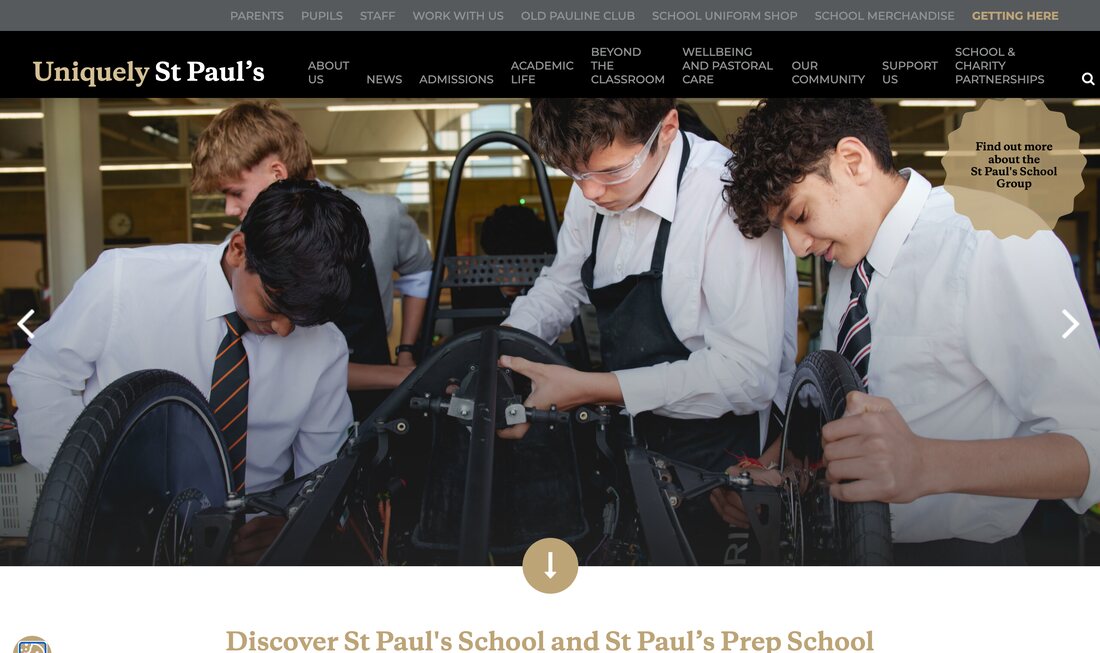
- Who it's forBoys' school, mainly day · Barnes, south-west London (SW13)
- Entrance examISEB Common Pre-Test then the school's own assessment and interview; also 11+ entry to St Paul's Juniors
- Entry points7+, 11+, 13+ and 16+
- ResultsAround 92% of A-levels at A*/A in 2025, the top independent boys' school nationally
Founded in 1509, St Paul's is, year after year, one of the highest-achieving schools in the country, and it topped the independent boys' schools on A-level results in 2025. Most boys join at 13+ through the ISEB Common Pre-Test, taken in Year 6, followed by the school's own assessment and interview. It pairs formidable academics with a famous tradition in music and debating.
2Westminster School
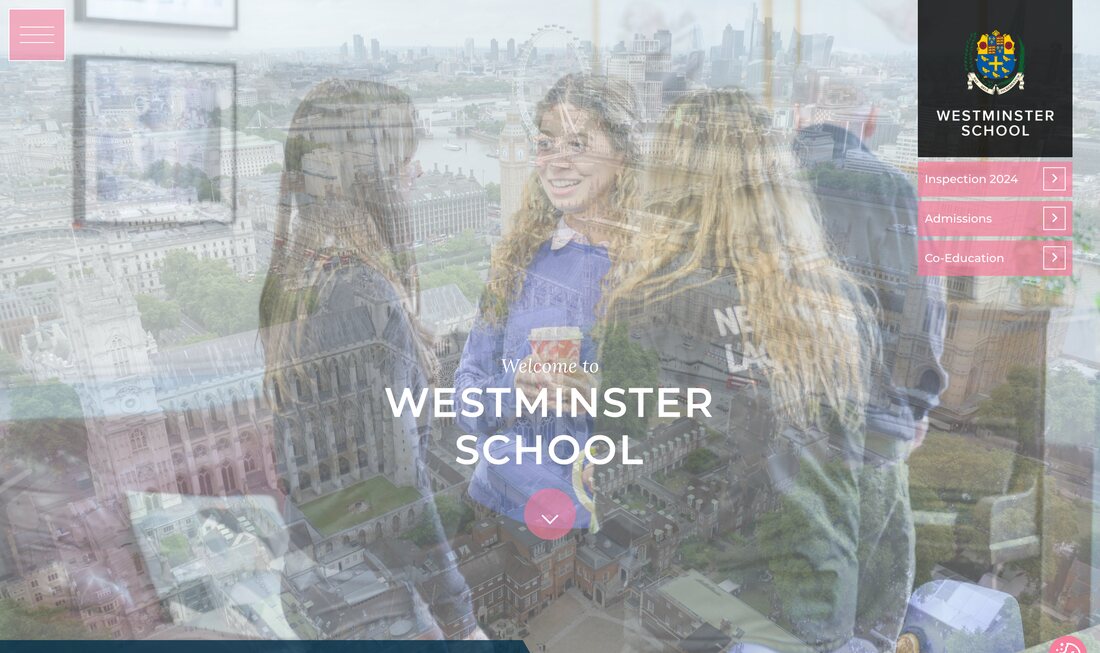
- Who it's forBoys' school with a co-educational sixth form, day and some boarding · Westminster, central London (SW1)
- Entrance examISEB Common Pre-Test plus the school's own papers and interview; co-ed entry at 16+
- Entry points7+ and 11+ (Under School), 13+ and 16+
- ResultsAround 88% of A-levels at A*/A in 2025, with one of the strongest Oxbridge records anywhere
Tucked beside Westminster Abbey, Westminster School is an academic powerhouse with one of the most enviable university pipelines in the country. Boys typically join the senior school at 13+ via the ISEB Common Pre-Test and the school's own assessments, and the sixth form becomes co-educational. Small, intellectual and intensely academic.
3Eton College

- Who it's forBoys' school, full boarding · Windsor, Berkshire (SL4)
- Entrance examRegister by the end of Year 5, then the ISEB Common Pre-Test and Eton's own assessment; the place is confirmed by Common Entrance or a scholarship exam in Year 8
- Entry points13+ only
- ResultsConsistently outstanding, with an elite record at Oxbridge and leading US universities
Founded in 1440, Eton is the most famous school in the world, and a full-boarding institution that has educated 20 British prime ministers. Entry is at 13+ only: boys register by the end of Year 5, sit the ISEB Common Pre-Test, then go through Eton's own assessment, with the place confirmed later. Its needs-blind bursary programme means a significant number of boys pay reduced or no fees. See our complete Eton entrance exam and admissions guide for the current stages, past papers and fees.
4St Paul's Girls' School
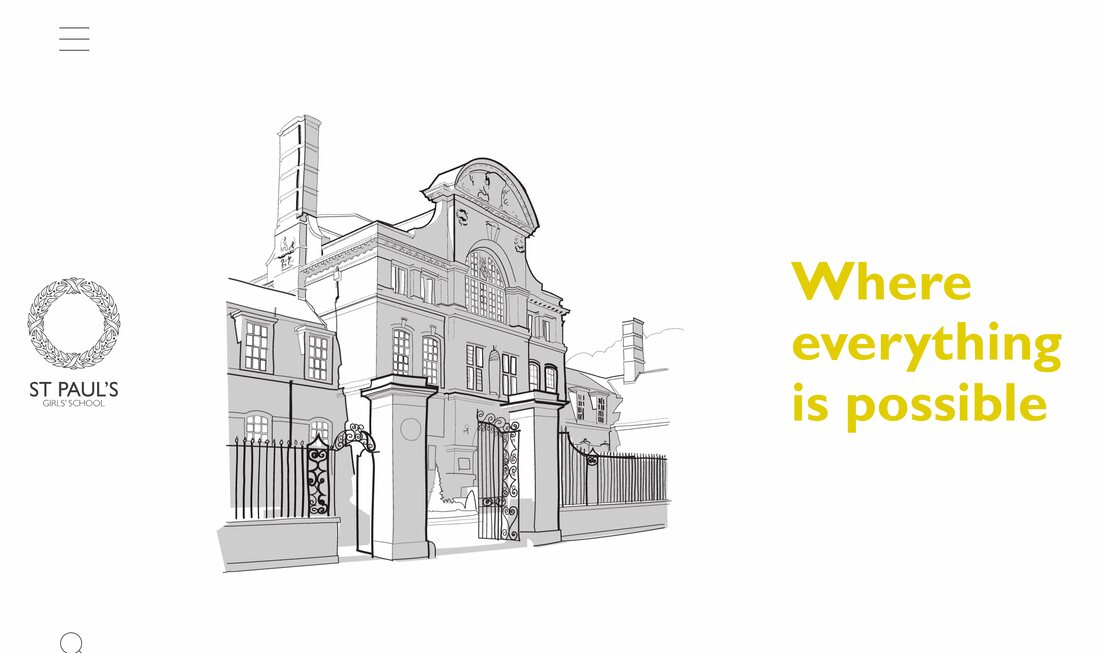
- Who it's forGirls' school, day · Hammersmith, west London (W6)
- Entrance examThe school's own written assessments in English, maths and comprehension, then an interview for the strongest candidates
- Entry points11+ and 16+
- ResultsAround 89% of A-levels at A*/A in 2025, the leading girls' school nationally
St Paul's Girls' is consistently the top-performing girls' school in the country and one of the most academic schools of any kind. The main entry is at 11+, through the school's own written papers in English, maths and comprehension, which are known for being fast-paced, followed by an interview. Famous for music, it counts Gustav Holst among its former directors of music.
5Winchester College
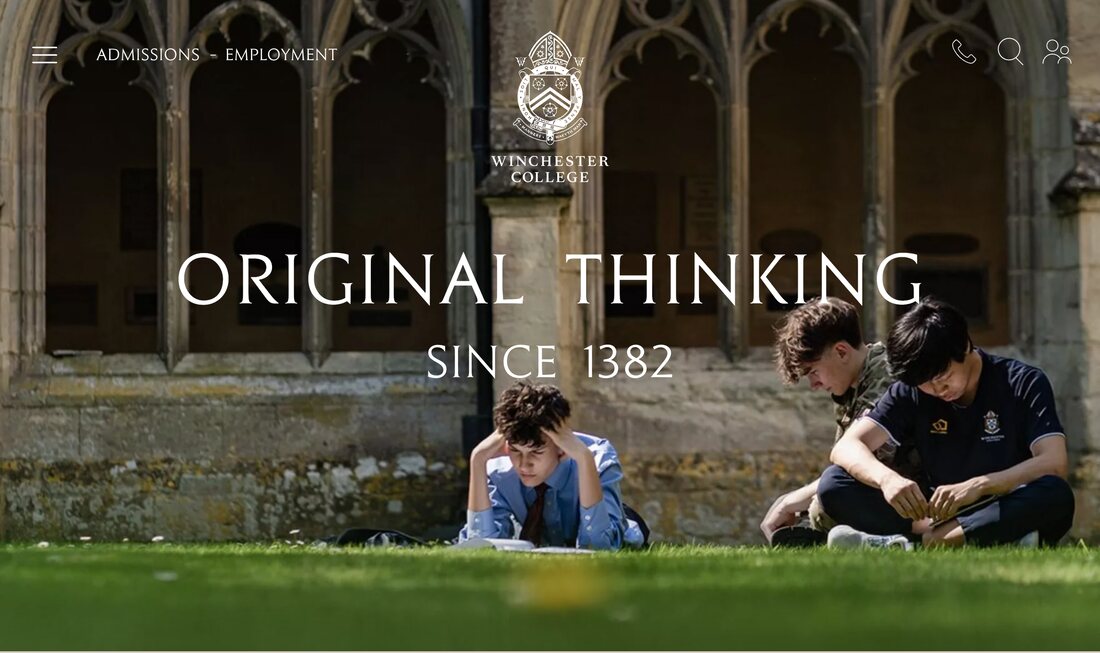
- Who it's forBoys' school moving to co-education, boarding · Winchester, Hampshire (SO23)
- Entrance examISEB Common Pre-Test in Year 6, an interview, then Winchester's own entrance exams in Year 8
- Entry points13+ and 16+
- ResultsAmong the strongest in the country, with a distinctive scholarly tradition
Founded in 1382, Winchester is one of the oldest and most intellectually serious schools in the country, famous for its independent-minded teaching and its scholarship community. Entry is at 13+: boys sit the ISEB Common Pre-Test in Year 6, attend an interview, and successful candidates sit Winchester's own entrance exams in Year 8. The school is in the process of becoming fully co-educational.
6Brighton College
- Who it's forCo-educational, day and boarding · Brighton, East Sussex (BN2)
- Entrance examThe school's own entrance exams in English, maths and reasoning, plus an interview; the ISEB Common Pre-Test is used for some entry points
- Entry points11+, 13+ and 16+
- ResultsAround 86% of A-levels at A*/A in 2025; named England's School of the Decade by the Sunday Times
Brighton College has risen dramatically to become one of the strongest co-educational schools in the country, combining top results with a warm, modern culture and exceptional sport and music. Entry is at 11+, 13+ and 16+, through the school's own assessments in English, maths and reasoning alongside an interview. It is a popular choice for families who want academic excellence without a single-sex, traditional feel.
7North London Collegiate School
- Who it's forGirls' school, day · Edgware, north-west London (HA8)
- Entrance examThe school's own entrance examinations in English and maths, followed by an interview
- Entry points4+, 7+, 11+ and 16+
- ResultsAround 86% of A-levels at A*/A in 2025, one of the leading girls' schools in the country
North London Collegiate has been a pioneer of academic education for girls since 1850 and remains one of the very best girls' schools in the country. The main entry is at 11+, through the school's own English and maths papers and an interview. It is known for stretching able girls hard while sending them on to the most competitive universities worldwide.
8King's College School, Wimbledon
- Who it's forCo-educational, day · Wimbledon, south-west London (SW19)
- Entrance exam11+ entrance exam in December of Year 6 in English, maths and non-verbal reasoning, then an interview; 13+ entry uses the ISEB Common Pre-Test
- Entry points11+, 13+ and 16+
- ResultsAround 86% of A-levels at A*/A in 2025, among the top co-educational schools nationally
King's College School, known as KCS, is one of the leading co-educational day schools in the country and now fully co-educational throughout. Its 11+ entry, sat in December of Year 6, tests English, maths and non-verbal reasoning before an interview. KCS blends elite academics with a notably broad and down-to-earth culture for a school of its standing.
9Wycombe Abbey
- Who it's forGirls' school, boarding · High Wycombe, Buckinghamshire (HP11)
- Entrance examStage 1 is an online CAT4 cognitive test in November; Stage 2 is an assessment day with English and maths exams, an interview and group tasks
- Entry points11+, 13+ and 16+
- ResultsRegularly one of the top-performing girls' boarding schools in the country
Wycombe Abbey is widely regarded as the leading girls' boarding school in the country, with results that sit among the very best nationally. The 11+ process is two-stage: an online CAT4 cognitive test in November, then an assessment day with English and maths papers based on the Key Stage 2 curriculum, an interview and group activities. Academic, close-knit and steeped in tradition.
10The Manchester Grammar School
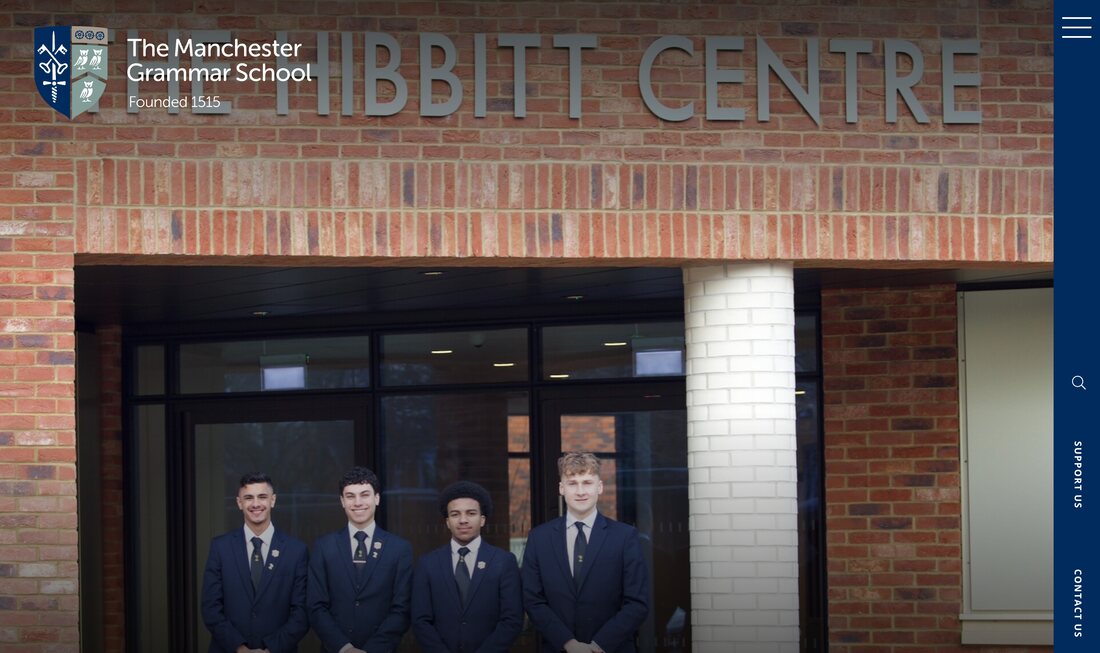
- Who it's forBoys' school, day · Manchester (M13)
- Entrance examThe school's own 11+ entrance examination in English and maths
- Entry points7+, 9+ and 11+
- ResultsThe leading independent day school in the North, with excellent results and a strong Oxbridge record
The Manchester Grammar School, despite the name, is a fee-paying independent day school, and the largest and most prestigious in the North of England. The main entry is at 11+, through the school's own English and maths papers. It is well known for a substantial bursary programme that keeps its doors open to bright boys regardless of family income, in the spirit of its founder. See our Greater Manchester schools guide for nearby choices.
To see how fee help works at schools like this, read our guide to private school scholarships and bursaries at 11+.
11Harrow School
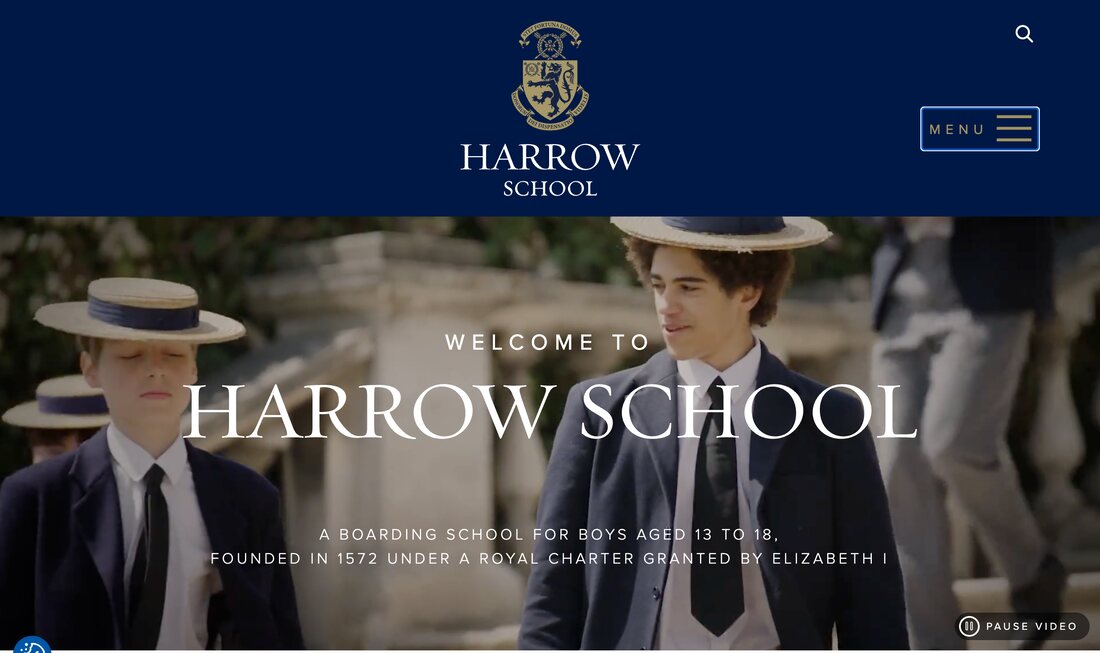
- Who it's forBoys' school, full boarding · Harrow on the Hill, north-west London (HA1)
- Entrance examISEB Common Pre-Test in Year 6, then the school's own Harrow Test and an interview
- Entry points13+ and 16+
- ResultsConsistently outstanding, with a strong Oxbridge and US-university record
Founded in 1572, Harrow is one of the original nine Clarendon "public schools" and among the most famous in the world, a full-boarding school that has educated seven British prime ministers, from Peel to Churchill. Entry is at 13+: boys register early, sit the ISEB Common Pre-Test in Year 6, then take Harrow's own assessment and interview. Boys still wear the famous straw boater, and a large bursary fund widens access well beyond the very wealthy.
12Tonbridge School
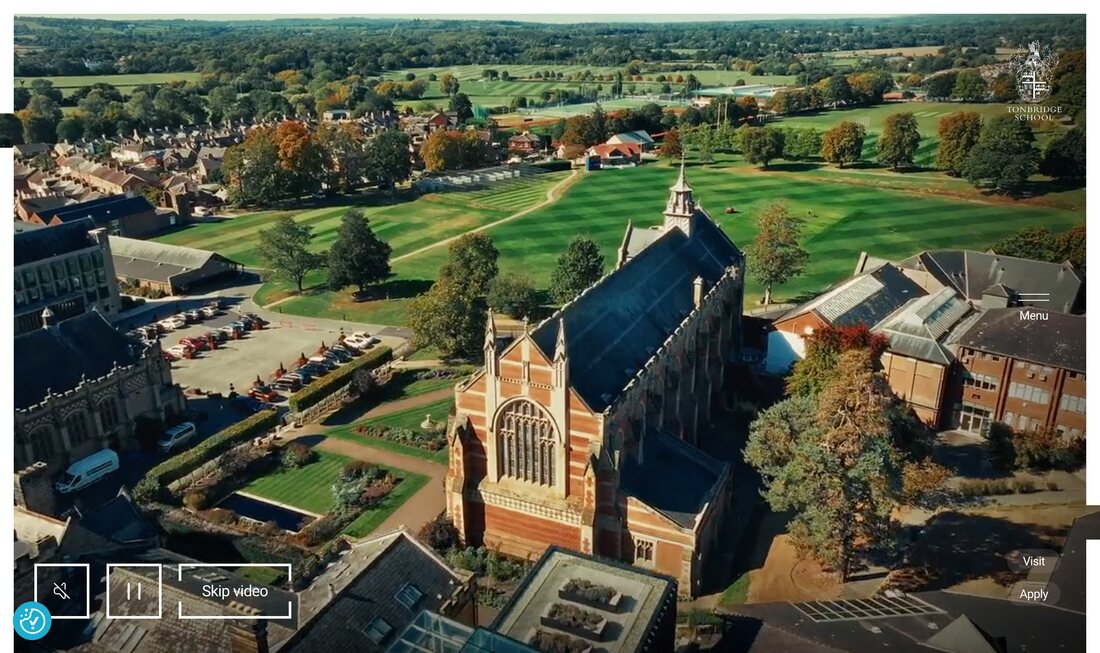
- Who it's forBoys' school, day and boarding (co-educational sixth form from September 2028) · Tonbridge, Kent (TN9)
- Entrance examISEB Common Pre-Test plus an assessment afternoon at the school and a head's reference
- Entry points13+ and 16+
- ResultsAround 80% of A-levels at A*/A in 2025, with about 40% at A*
Tonbridge is one of the country's leading boys' schools, with a powerful academic record, especially in maths, and a famous strength in music and sport across its spacious Kent campus. Most boys join at 13+ through the ISEB Common Pre-Test and an assessment afternoon. It is roughly half boarding and half day, and a sizeable bursary programme supports families across the income range. From September 2028 the sixth form becomes co-educational.
13Highgate School
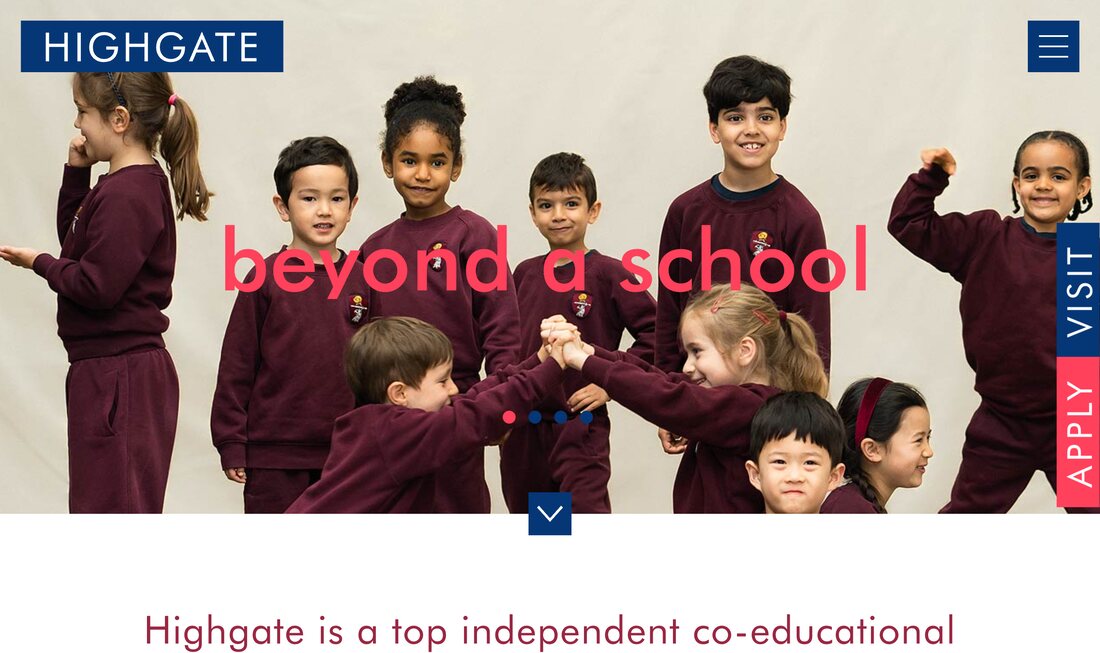
- Who it's forCo-educational, day · Highgate, north London (N6)
- Entrance examThe school's own assessments in English, maths and reasoning, with a head's reference and interview
- Entry points11+ (main), occasional 13+ and 16+
- ResultsAround 79% of A-levels at A*/A in 2025; about 95% of GCSEs at grade 9 to 7
Highgate has become one of London's strongest co-educational day schools since going fully co-ed in 2004, pairing top results with a creative, less-pressured culture than some of its rivals. The main entry is at 11+, through the school's own English, maths and reasoning assessments. It draws heavily from north London and is known for excellent music, drama and sport alongside the academics.
14Sevenoaks School
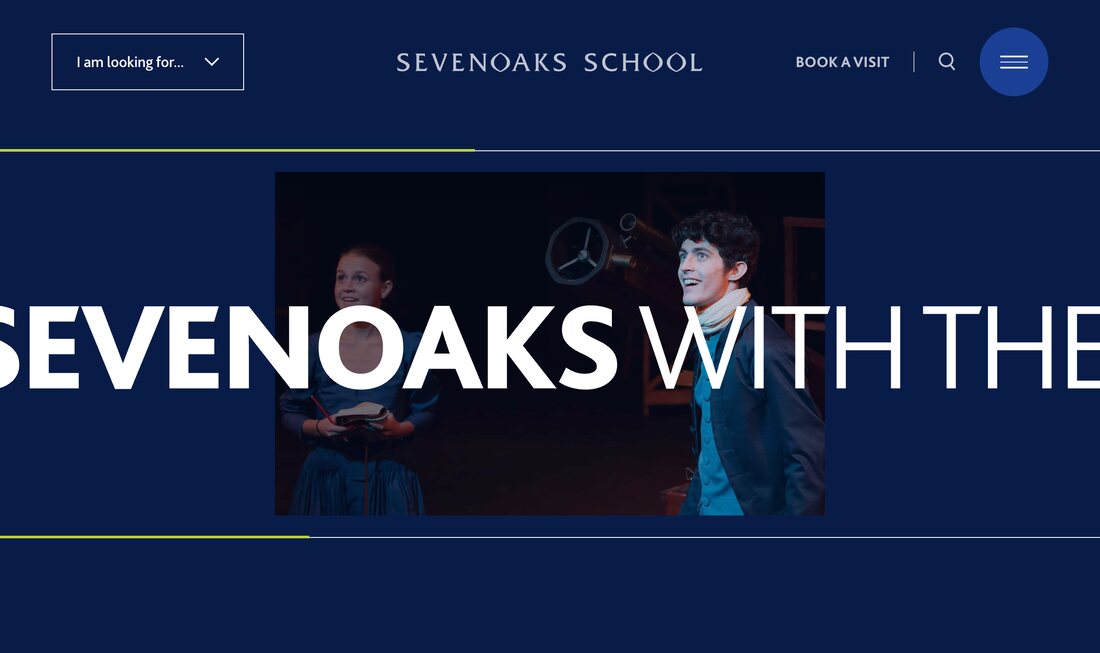
- Who it's forCo-educational, day and boarding · Sevenoaks, Kent (TN13)
- Entrance examThe school's own assessments and interview; the sixth form teaches the International Baccalaureate only, not A-levels
- Entry points11+, 13+ and 16+
- ResultsAn average IB score of 39.4 in 2025, well above the world average of around 30
Sevenoaks is one of the best International Baccalaureate schools in the world, a genuinely international, co-educational school where the sixth form sits the IB rather than A-levels. Pupils come from more than 70 countries and around 40% board. Entry is at 11+, 13+ and 16+ through the school's own assessments. It suits families who want a globally minded, broad sixth-form education rather than the narrower A-level route.
15Dulwich College
- Who it's forBoys' school, day and boarding · Dulwich, south London (SE21)
- Entrance examThe school's own English and maths assessments by entry point, with an interview
- Entry points7+, 11+, 13+ and 16+
- ResultsAround 70% of A-levels at A*/A in 2025; about 93% of GCSEs at grade 9 to 7
Founded in 1619, Dulwich College is one of London's great boys' schools, set on an unusually green 70-acre campus south of the river. Entry is mainly at 11+ and 13+ through the school's own English and maths assessments. It runs one of the most generous bursary programmes in the country, awarding hundreds of free and assisted places, in the tradition of its founder, the actor Edward Alleyn.
16Latymer Upper School
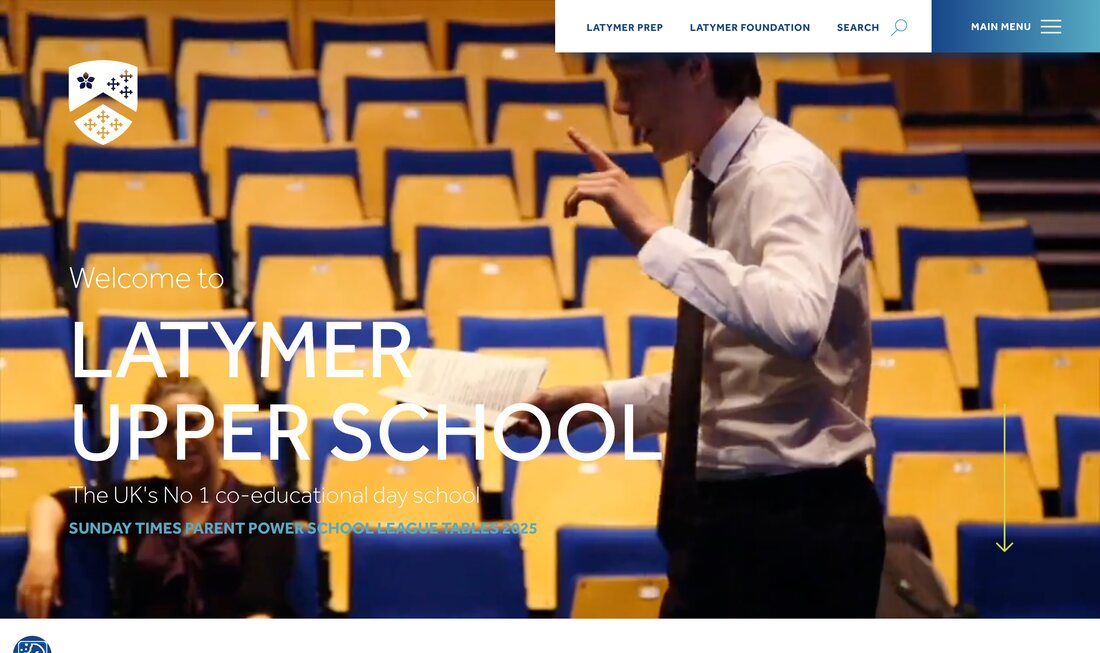
- Who it's forCo-educational, day · Hammersmith, west London (W6)
- Entrance examThe school's own entrance test in English, maths and reasoning, then an interview
- Entry points11+ and 16+
- ResultsAround 81% of A-levels at A*/A in 2025; about 96% of GCSEs at grade 9 to 7
Latymer Upper is a large, vibrant co-educational day school on the Thames in Hammersmith, as well known for drama and the arts as for its strong academics. The main entry is at 11+ through the school's own assessments, with around 1,000 children applying for roughly 120 places. It is a flag-bearer for access in the sector, with one of the most ambitious bursary schemes in the country offering places at up to 100% of fees.
17Wellington College
- Who it's forCo-educational, boarding and day · Crowthorne, Berkshire (RG45)
- Entrance examISEB Common Pre-Test in Year 6; the school offers both A-levels and the International Baccalaureate
- Entry points13+ (main) and 16+
- ResultsAround 59% of A-levels at A*/A in 2025, with a strong IB average of about 39
Wellington College is one of the leading co-educational boarding schools in the country, founded as the national monument to the Duke of Wellington and now known for its emphasis on wellbeing and "positive education". The main entry is at 13+ through the ISEB Common Pre-Test. Pupils can choose A-levels or the IB, and the school combines serious academics with exceptional facilities for sport, music and drama on a vast Berkshire estate.
18Cheltenham Ladies' College
- Who it's forGirls' school, boarding and day · Cheltenham, Gloucestershire (GL50)
- Entrance examThe school's own assessments and interview; girls can choose A-levels or the International Baccalaureate
- Entry points11+, 13+ and 16+
- ResultsAround 69% of A-levels at A*/A in 2025; about 86% of GCSEs at grade 9 to 7
Cheltenham Ladies' College, known as CLC, is one of the most famous girls' schools in the country and among the few that run A-levels and the IB side by side. Around 80% of girls board. Entry is at 11+, 13+ and 16+ through the school's own assessments and an interview. Founded in 1853, it pairs a strong academic record with an enormous range of co-curricular opportunities in a beautiful Regency-town setting.
19Guildford High School
- Who it's forGirls' school, day · Guildford, Surrey (GU1)
- Entrance examThe school's own 11+ entrance assessment; sixth-form entry requires strong GCSE grades
- Entry points11+ and 16+
- ResultsAround 85% of A-levels at A*/A in 2025 (about 43% at A*); about 97% of GCSEs at grade 9 to 7
Guildford High School is one of the strongest girls' day schools in the country, regularly near the very top of the national results tables, and was named the Times South East Independent Secondary School of the Year for 2026. The main entry is at 11+ through the school's own assessment. It is especially known for STEM and medicine, sending large numbers of girls to Oxbridge and into competitive science and medical courses each year. See our Surrey schools guide for nearby choices.
20City of London School
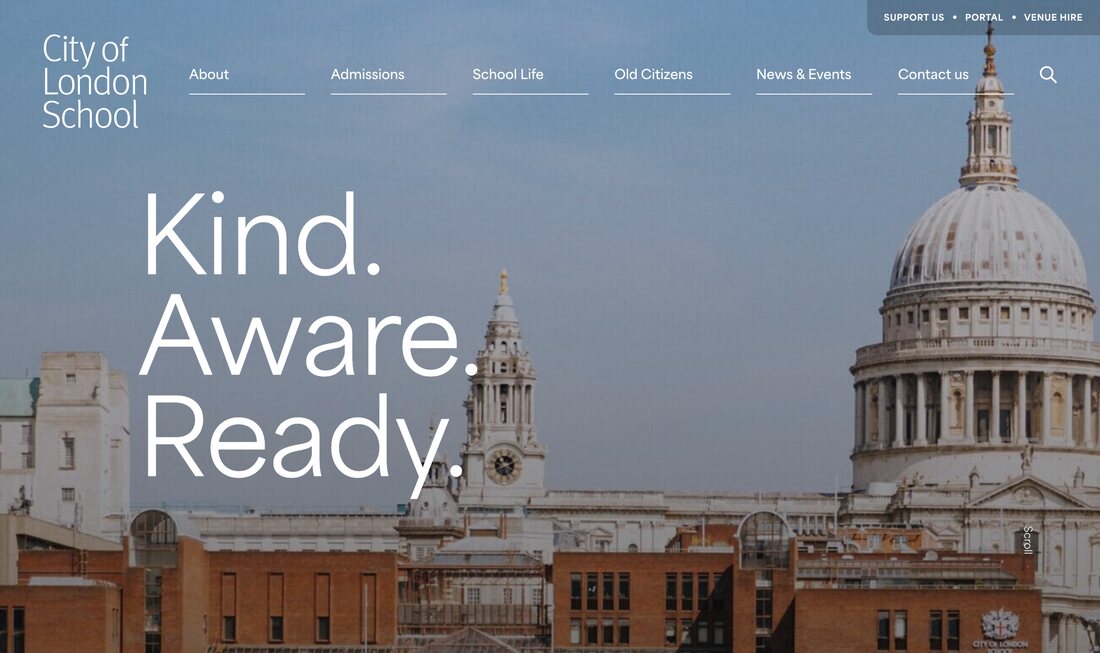
- Who it's forBoys' school, day · City of London, on the Victoria Embankment (EC4)
- Entrance examThe school's own assessments in English, maths and reasoning by entry point, with an interview
- Entry points10+, 11+, 13+ and 16+
- ResultsAround 75% of A-levels at A*/A in 2025 (about 39% at A*); about 96% of GCSEs at grade 9 to 7
City of London School is a leading boys' day school in an enviable spot on the bank of the Thames, between the Millennium Bridge and Blackfriars. Entry is mainly at 11+ and 13+ through the school's own assessments. Famously the school of Daniel Radcliffe and Kingsley Amis, it sends the overwhelming majority of leavers to Russell Group and top-ten universities, and its central location gives pupils unusual access to the City and the capital's cultural life.
Almost every school here tests English, maths and reasoning, whether through the ISEB Common Pre-Test or its own papers. Pip builds all four with unlimited, exam-style questions and free downloadable papers, Maths, English, Verbal Reasoning and Non-Verbal Reasoning. It helps to understand how the ISEB Pre-Test works and whether an independent school is right for your family.
The best private schools by region
The independent sector is heavily concentrated in London and the South East, which also have the highest fees, but every region of the country has excellent independent schools. Here are the standout names area by area. A quick note on names: several schools below keep the word "Grammar" in their title for historical reasons but are fully independent and fee-paying, not free state grammar schools, and we have flagged those.
Best private schools in London
London has the densest cluster of top independents anywhere in the country. Alongside national leaders like St Paul's School, St Paul's Girls' School, Westminster School, King's College School Wimbledon and North London Collegiate, the capital is also home to Highgate, Latymer Upper, Dulwich College, City of London School and City of London School for Girls, Alleyn's, James Allen's Girls' School (JAGS), The Godolphin and Latymer School, Hampton School and Wimbledon High. Our guide to the best private schools in London looks at the capital's independents in detail.
Private schools in Chelsea and west London
Parents often search for "private schools in Chelsea", but it is worth knowing that most schools actually inside Chelsea (SW3) are prep and pre-prep schools, such as Garden House School, Hill House and Sussex House. The famous selective senior schools sit just next door in Kensington, Hammersmith and Fulham: St Paul's Girls' School and The Godolphin and Latymer School in Hammersmith, Queen's Gate School in South Kensington, More House School on the Chelsea and Knightsbridge border, and the co-educational Latymer Upper School a little further west. If you want a senior school near Chelsea, these west London names are the ones to look at.
Best private schools in Kent
Kent's leading fee-paying independents are Sevenoaks School (co-educational, one of the world's top IB schools), Tonbridge School (boys, day and boarding) and Benenden (the county's well-known girls' boarding school, near Cranbrook). Walthamstow Hall, Kent College Canterbury and Pembury and Sutton Valence are also strong. These are separate from Kent's free state grammar schools, which select by the Kent Test, covered in our top grammar schools in Kent guide.
Best private schools in Surrey
Surrey is packed with excellent independents. Guildford High School is one of the top girls' day schools in the country, and Charterhouse in Godalming is a historic co-educational boarding school. Caterham School and St John's School Leatherhead are strong co-educational all-rounders. Two Surrey schools keep "Grammar" in their names but are independent, not state grammars: Royal Grammar School Guildford (boys) and Reigate Grammar School (co-ed). See also our best schools in Surrey guide.
Best private schools in Bristol and the South West
Bristol has a strong independent scene led by Clifton College (co-ed day and boarding, with its landmark Victorian campus), Bristol Grammar School (independent despite the name, co-ed day, founded 1532), Badminton School (a high-achieving girls' school), Queen Elizabeth's Hospital (QEH), Redmaids' High School and Clifton High School. Note that the former Colston's School is now Collegiate School.
Best private schools in Manchester and the North West
The North West's leading independents include The Manchester Grammar School (boys) and Withington Girls' School, both among the strongest academic day schools in the North, plus Manchester High School for Girls, Cheadle Hulme School, Bolton School and Stockport Grammar School (independent, not a state grammar). Our best schools in Greater Manchester guide covers the region's independents and grammars together.
Best private schools in Birmingham and the Midlands
Birmingham is home to two of the strongest independents outside the South East: King Edward VI High School for Girls (KEHS) and King Edward's School (KES), both in Edgbaston and both highly academic. Solihull School, Warwick School, King's High School Warwick and Edgbaston High School for Girls are also well regarded, and Concord College in Shropshire is one of the country's top STEM and Oxbridge boarding schools.
Best private schools in Scotland
Edinburgh has the highest proportion of privately educated pupils of any UK city, around one in four. Leading Scottish independents include Fettes College (often called "the Eton of the North"), George Watson's College (the largest co-ed independent in Scotland), The Edinburgh Academy and Merchiston Castle School, with Glenalmond College in Perthshire and St Leonards in St Andrews beyond the capital.
How many private schools are there in the UK?
England has about 24,500 schools in total educating over nine million children (Department for Education, 2024/25), the large majority of them primary schools, with roughly 3,400 state secondary schools alongside academies and free schools. Within that, private schools are a small minority:
- There are around 2,400 independent (private) schools in England, and 1,423 are members of the Independent Schools Council (ISC) across the UK.
- About 6 to 7% of UK children are privately educated, roughly 545,000 pupils at ISC member schools (ISC Census 2025).
- For comparison, there are only 162 state grammar schools left in England, the free, selective schools entered by the 11-plus exam.
So when people talk about "the best schools in the UK", they are usually describing this small independent slice plus the most sought-after state grammars, two very different routes that we explain next.
Private, public, independent, grammar: what's the difference?
The labels confuse almost everyone, partly because Britain uses some of them differently from the rest of the world. Here is the plain-English version:
- Independent or private school - the same thing: a fee-charging school outside state control and the national curriculum. "Independent" is the formal term, "private" the everyday one.
- Public school - confusingly, in Britain a "public school" is a prestigious, usually old, fee-paying private school, the opposite of the American meaning. The term comes from the nine historic Clarendon schools: Eton, Harrow, Winchester, Westminster, Charterhouse, Rugby, Shrewsbury, St Paul's and Merchant Taylors'. Today people use "the best public schools in England" loosely to mean the leading independents, so the answer is essentially the schools ranked at the top of this page.
- State school - funded by government and free to attend, including community schools, academies and free schools.
- Grammar school - a state-funded, free, academically selective secondary, entered by the 11-plus. There are 162 left in England. Despite the name, several fee-paying independents (Manchester Grammar, RGS Guildford, Bristol Grammar and others) are not state grammars.
- Comprehensive school - a state-funded, non-selective secondary that takes children of all abilities, the standard English state secondary.
Independent schools in England are inspected by the ISI (Independent Schools Inspectorate) rather than Ofsted, against the same government standards. If a free, selective place would suit your child better than fees, see our guide to the best grammar schools in the UK.
How much do private schools cost in 2026?
Fees vary widely by school, region and whether your child boards. As a national benchmark (ISC Census 2025), average independent-school fees before VAT are around £18,000 a year for day pupils and about £42,000 a year for boarders, with London day fees running well above the average and the North considerably below. At the most selective schools on this page, day fees commonly run to the high £20,000s or low £30,000s, and full boarding to around £55,000 to £67,000 a year.
The big recent change is tax. Since 1 January 2025, private school fees in the UK carry 20% VAT, after the government removed the sector's exemption, and charitable schools also lost most of their business-rates relief from April 2025. Many schools absorbed part of the VAT by trimming their underlying fees, but most families are now paying noticeably more than in 2024.
It is always worth asking about financial support. Over a third of pupils at ISC schools receive some help with fees, and the average means-tested bursary is worth nearly £14,000 a year, with thousands of children on free or near-free places. Scholarships (for academic, music, sport or art talent) are usually smaller but can be combined with a bursary. If fees are a stretch, ask each school directly about means-tested bursaries early in the process.
The costs parents forget to budget for
The headline fee is not the whole bill. Before you compare two schools on their published day rate, check each of these on the school's own fees page, because the way they are charged varies and the total can move by thousands.
- Registration fee. A non-refundable admin charge paid when you put your child's name down, payable per school. Applying to five schools means paying it five times.
- Acceptance deposit. Paid when you accept a place. It is usually held and credited against your final term's fees, so you get the value back at the end, but it is real money out at the start and is normally forfeited if you withdraw.
- VAT at 20%. Since 1 January 2025 this applies to fees. Check whether the figure a school quotes is inclusive or exclusive of VAT, because both styles are in circulation and the difference is a fifth of the bill.
- Boarding versus day. This is the single biggest lever on cost. Nationally the gap is roughly £18,000 a year for a day place against about £42,000 for boarding (ISC Census 2025), and at the most selective schools it is wider still. Weekly and flexi boarding sit in between at schools that offer them.
- Extras billed on top. Individual music lessons, school trips and expeditions, examination entry fees, lunches where they are not included, uniform and sports kit, learning support, transport or a coach place, and clubs outside the standard day.
- Annual increases. Fees are reviewed every year, so model the cost across the whole time your child would be at the school, not just year one.
Because these vary so much between schools, treat any figure you read online (including the national averages above) as indicative only, and confirm the current numbers on each school's own fees page before you commit. Ask specifically what is included in the termly fee and what is billed separately, and ask about means-tested bursaries early rather than late.
What facilities do leading UK independent schools have?
Facilities are where a large part of the fee visibly goes, and they are the clearest difference between a well-funded independent and most state schools. The specifics differ enormously between a compact London day school on a city site and a boarding school set in hundreds of acres, so treat the list below as what to look for and expect on an open day rather than a promise about any particular school. Every school publishes its own facilities pages, and seeing them in person is the only reliable test.
At the top of the sector you can generally expect the following.
- Sport. Extensive playing fields, all-weather pitches, a sports hall, tennis and cricket provision, and very often a swimming pool and a fitness suite. Land-rich boarding schools tend to be far stronger here than city day schools, which sometimes run sport off site.
- Music. A dedicated music school with practice rooms, recording facilities and a recital or concert hall, plus a programme of orchestras, choirs and ensembles and visiting instrumental teachers.
- Drama and the arts. A theatre or studio theatre with proper technical facilities, art studios, and workshops for ceramics, photography or design technology.
- Science and technology. Purpose-built laboratories, design and engineering workshops, and increasingly robotics or digital making spaces.
- Libraries and study space. A substantial library with subject librarians and quiet independent study areas, which matters more than it sounds at sixth form.
- Boarding houses. At boarding schools, house accommodation with common rooms and pastoral staff living on site, and an evening and weekend programme that fills the time.
- Pastoral and wellbeing provision. A health centre or nurse, counselling, and a house or tutor system built to keep an eye on each child.
This is also what people mean by a well-rounded education in this sector. The academic results get the headlines, but the reason many families pay is the breadth around them: the expectation that a child will play a sport, an instrument or a part in a play, and that there is the staffing and the space to make that realistic rather than aspirational. Wellington College, at number 17 on this list, is a good illustration of the model at its most expansive, combining serious academics with extensive sport, music and drama provision on a large Berkshire estate.
When you visit, the useful questions are practical ones. How much of the week does a typical child actually spend using these facilities? Is sport genuinely for everyone or mainly for the teams? Are individual music lessons included or billed as an extra? Which facilities are shared with a lettings business at weekends? A school with fewer facilities that every child uses often serves a child better than a spectacular estate they rarely touch.
Prefer a free, selective school? Top grammar schools
Not every family wants, or can justify, private-school fees, and the good news is that England's state grammar schools offer a free, academically selective alternative that regularly matches the independents on results. The catch is that there are only around 162 of them (see our county-by-county count of grammar schools in England), they are concentrated in certain areas (Kent, Buckinghamshire, Birmingham, Sutton, Trafford and others), and entry is by competitive exam. If that route appeals, start with our guides to the best grammar schools in the UK, the top grammar schools in London and the top grammar schools in Kent, and our grammar school catchment checker to see which selective schools are within reach of your home. Whether you are aiming for an independent or a grammar, the entrance exams test the same core skills, so the preparation overlaps almost entirely.
One free app for every school on this list
Top independents test some mix of English, maths and reasoning. Pip turns them into five calm minutes a day, adaptive, exam-style, and genuinely free.



Frequently asked questions
What is the best private school in the UK?+
By 2025 A-level results, St Paul's School tops the leading independent schools, with St Paul's Girls' School and Westminster School close behind. But the best school depends on your child, so weigh day versus boarding, location, ethos and fit, not just league-table position.
How do you get into a top private school?+
Register early, often by Year 5, then sit the entrance assessment. Most leading schools use the ISEB Common Pre-Test, covering English, maths, verbal and non-verbal reasoning, at 11+ or 13+, or set their own English and maths papers, usually with an interview. Confirm each school's exact process and deadlines on its admissions page.
What entrance exam do private schools use?+
Many leading independents use the ISEB Common Pre-Test, an online test covering English, maths, verbal and non-verbal reasoning that is sat once and shared with all the schools a child applies to. Others set their own English and maths papers, sometimes adding reasoning or a CAT4 cognitive test, plus an interview. See our ISEB Common Pre-Test guide.
How much do private schools cost?+
Fees vary widely and are higher for boarding, with day fees at leading schools commonly running to tens of thousands of pounds a year. Most top schools offer means-tested bursaries and academic scholarships, so it is always worth asking each school directly about financial support.
Are private schools better than grammar schools?+
They are different rather than simply better. Grammar schools are free and state-funded but selective by exam; top independents charge fees but offer smaller classes, boarding and extensive facilities. The right choice depends on your child, your budget and what is near you. See our best grammar schools in the UK guide for the free, selective route.
How many private schools are there in the UK?+
There are roughly 2,400 independent schools in England, of which 1,423 belong to the Independent Schools Council across the UK. Around 6 to 7% of British children are privately educated, about 545,000 pupils at ISC member schools (ISC Census 2025). For context, England has about 24,500 schools in total.
What is a public school in the UK?+
Confusingly, in Britain a "public school" is a prestigious fee-paying private school, the opposite of the American meaning. The term comes from the nine historic Clarendon schools: Eton, Harrow, Winchester, Westminster, Charterhouse, Rugby, Shrewsbury, St Paul's and Merchant Taylors'. People now use it loosely for any elite independent, so "the best public schools in England" means the schools near the top of this page.
Do private school fees include VAT now?+
Yes. Since 1 January 2025, private school fees in the UK carry 20% VAT after the government removed the sector's exemption. Average day fees are around £18,000 a year and boarding around £42,000 a year before VAT (ISC Census 2025). Most leading schools offer means-tested bursaries, with the average bursary worth nearly £14,000 a year, so always ask each school about financial support.
What are the best private schools in London?+
London has the densest cluster of top independents in the country, including St Paul's School, St Paul's Girls' School, Westminster, King's College School Wimbledon, North London Collegiate, Highgate, Latymer Upper, Dulwich College and City of London School. See our dedicated best private schools in London guide.
What are the best private schools in Kent?+
Kent's leading independent (fee-paying) schools include Sevenoaks School, one of the world's top IB schools, Tonbridge School for boys, and Benenden, the county's well-known girls' boarding school. These are separate from Kent's free state grammar schools, which are entered by the Kent Test.
What are the costs of attending a top independent school in the United Kingdom?+
Budget for more than the headline fee. National averages before VAT are about £18,000 a year for a day place and about £42,000 for boarding (ISC Census 2025), and at the most selective schools day fees commonly reach the high £20,000s or low £30,000s and full boarding around £55,000 to £67,000. On top of that come 20% VAT, a registration fee, an acceptance deposit, and extras such as individual music lessons, trips, exam entry fees, lunches, uniform and transport. Fees also rise each year. Confirm current figures on each school's own fees page.
What facilities do leading UK independent schools have?+
Typically extensive sport (playing fields, all-weather pitches, a sports hall and often a pool), a dedicated music school with practice and performance space, a theatre and art studios, purpose-built science laboratories and design workshops, a substantial library, and at boarding schools, boarding houses with resident pastoral staff. Provision varies a lot between a city day school and a large rural boarding campus, so check each school's facilities in person.
Which are the best independent schools for a well-rounded education?+
The schools that combine strong results with genuine breadth in sport, music, drama and outdoor activity, and the staffing and space for every child to take part rather than just the most talented. Large campus schools such as Wellington College are built around that model, while academically intense London day schools tend to concentrate more narrowly on results. Ask on the open day how much of an average week a typical child spends outside the classroom.
Which are the most prestigious private girls' schools in the UK?+
Several appear in the ranking above, including St Paul's Girls' School, North London Collegiate School, Wycombe Abbey, Cheltenham Ladies' College and Guildford High School. They differ significantly in character: some are London day schools, others are boarding schools, so read each entry before shortlisting.

The Pip team builds Pip, the 11+ and KS2 practice app for children in years three to six. We write these guides from real exam formats and past papers.