Reading is the most powerful thing a child can do for the 11+, and for English right through school. It grows vocabulary, speeds up reading and quietly teaches inference, which is what comprehension papers reward.
- Wide, regular reading does more for the 11+ than another workbook, because it grows vocabulary, speed and inference.
- This page has 20 books and 10 free classics, for children in years three to six (ages 7 to 11).
- Use the filter and the Pick my next book quiz to find a good match fast.
- Include non-fiction, because comprehension papers often use factual passages.
- A little every day beats a big push once in a while, and talking about the book is free comprehension practice.
Below you will find each book with the reading skill it builds, plus classics you can read for free. If your child finds long books hard going, our guide on how to build reading stamina for the 11+ shows how to work up to them.
To turn what they read into exam practice, try the free Pip English practice for a few minutes a day.
As an Amazon Associate, Pip earns from qualifying purchases. The "Find it on Amazon" links below are affiliate links, they cost you nothing extra and help support free 11+ content.
What level should my child be reading at?
Most children in years three to six do well with books one step above what feels easy, and the table shows where to start.
These are starting points, not rules, so a keen reader can jump ahead.
| Year | Age | Good books to start with | What to aim for |
|---|---|---|---|
| Year 3 | 7 to 8 | Stig of the Dump, The Boy at the Back of the Class | Finish whole books and enjoy them. |
| Year 4 | 8 to 9 | The Lion, the Witch and the Wardrobe, A Series of Unfortunate Events, Tales of the Greek Heroes | Notice new words and say what they mean. |
| Year 5 | 9 to 10 | The Secret Garden, Holes, Wolf Brother, Carrie's War | Infer feelings and motives from clues. |
| Year 6 | 10 to 11 | The Hobbit, Roll of Thunder, Hear My Cry, Goodnight Mister Tom | Longer books, richer words, and talking about the writer's choices. |
Which book should my child read next?
Answer three quick questions and we will suggest two titles from the 20 below.
What are the best 20 books for the 11+?
These 20 books mix classics and modern stories, fiction and non-fiction, and each builds a specific reading skill.
Showing 20 of 20 books
1. The Lion, the Witch and the Wardrobe by C. S. Lewis
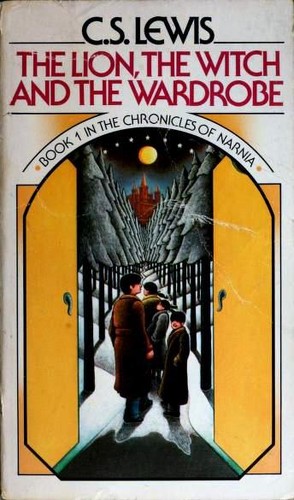
A gateway classic, accessible from around age eight but loved right across KS2. Four children step through a wardrobe into the snowy world of Narnia. The language is rich without being difficult, so it stretches vocabulary gently, and it's layered with meaning, ideal for practising inference. As the start of a series, it also builds reading stamina and the habit of finishing a book.
2. Stig of the Dump by Clive King
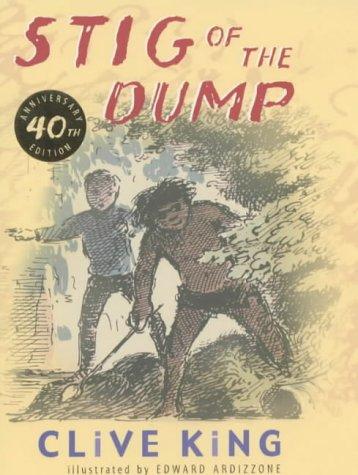
A much-loved KS2 classic that's imaginative and easy to fall into. Barney befriends a "caveman" living in a chalk-pit dump, and the everyday-meets-extraordinary premise is perfect for inference, readers are constantly working out what's real and what isn't. A great confidence-builder for slightly more reluctant readers.
3. The Secret Garden by Frances Hodgson Burnett
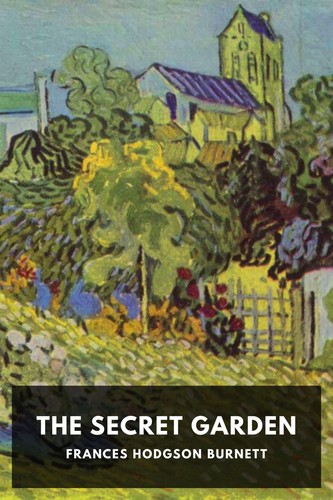
A staple of 11+ reading lists, and for good reason. The descriptive writing is gorgeous, modelling exactly the kind of sensory, atmospheric language children should notice and borrow. The slow transformation of Mary, Colin and the garden gives plenty to infer about character and change.
4. Alice's Adventures in Wonderland by Lewis Carroll
Wordplay, puns and nonsense, exactly the kind of language the 11+ loves to test. Carroll's jokes and invented words make children slow down and think about how language works, which sharpens vocabulary and an ear for tone. A book to dip into and enjoy aloud.
5. Tom's Midnight Garden by Philippa Pearce
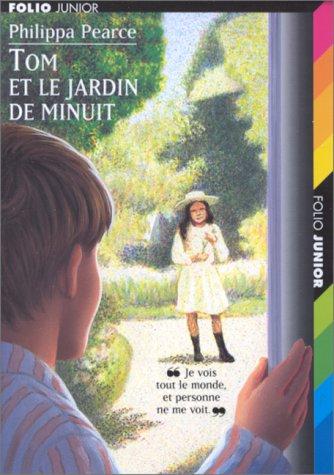
A beautifully written time-slip classic. When the clock strikes thirteen, Tom slips into a garden that exists in another time. The descriptive writing is a model of "show, don't tell", and the mystery of how the two times connect is a gentle, rewarding inference puzzle.
6. Holes by Louis Sachar
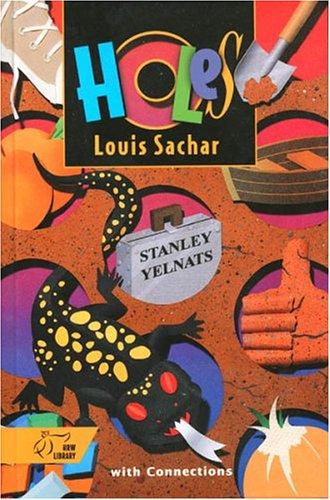
A masterclass in inference. Every seemingly random detail, the lizards, the onions, the family curse, connects by the end, training readers to hold threads in their head and spot how a writer plants clues. Funny, gripping and brilliantly plotted; one of the best books for showing children why details matter.
7. Skellig by David Almond
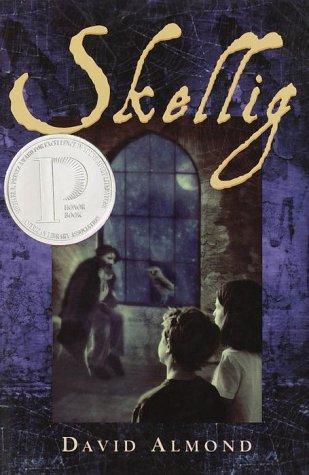
A spare, mysterious novel built on metaphor. Michael finds a strange creature in the garage, and what it "is" is left for the reader to interpret, superb for inference and for discussing meaning beneath the surface. Short, powerful, and full of talking points.
8. Goodnight Mister Tom by Michelle Magorian
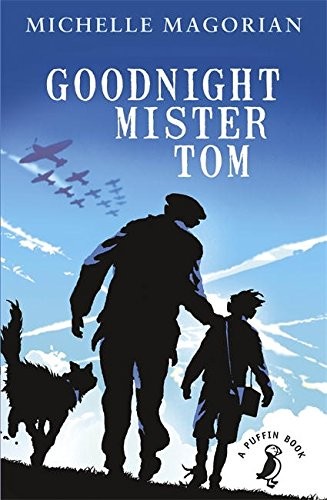
A wartime evacuation story with real emotional depth. The bond between young Willie and gruff Mister Tom builds deep empathy, and the rich period language broadens vocabulary. Plenty to infer about characters' feelings and pasts from what's left unsaid.
9. Carrie's War by Nina Bawden
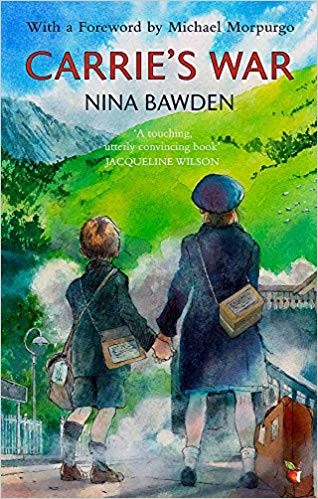
Another evacuation classic, strong on inference and atmosphere. Carrie's choices and the secrets of the adults around her are revealed gradually, rewarding the careful reader. A great companion read to Goodnight Mister Tom.
10. Street Child by Berlie Doherty
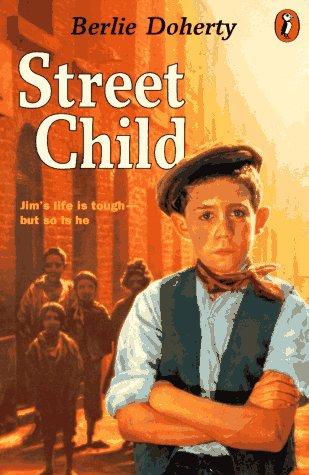
Based on the true story that inspired the founding of Barnardo's, this Victorian London tale is brilliant for building historical context and empathy. The vivid setting and high stakes pull readers through, while the period detail expands vocabulary and background knowledge useful for non-fiction comprehension too.
11. War Horse by Michael Morpurgo
The First World War told through the eyes of a horse, Joey. The unusual perspective is a wonderful way to discuss viewpoint and empathy, and Morpurgo's clear, emotive writing is hugely accessible. Ideal for talking about how a writer makes you feel something.
12. Roll of Thunder, Hear My Cry by Mildred Taylor
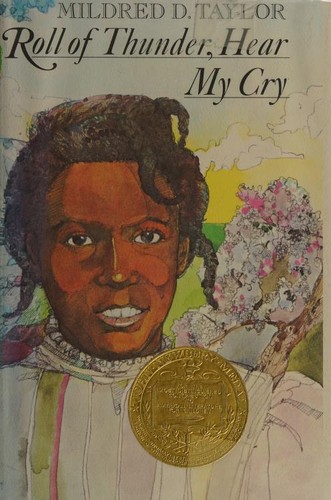
A powerful novel about a Black family in 1930s Mississippi, best for confident, older KS2 readers. Its serious themes and strong narrative voice stretch comprehension and invite deep inference about injustice, dignity and family. A book that rewards discussion.
13. The Hobbit by J. R. R. Tolkien
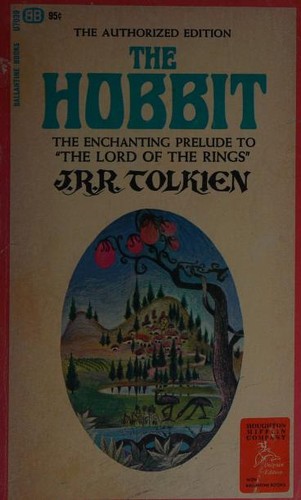
An epic adventure with wonderfully rich, archaic vocabulary and a long, satisfying arc that genuinely builds reading stamina. Bilbo's journey there and back again is the perfect "big book" to graduate to once a child is reading fluently.
14. Wolf Brother by Michelle Paver
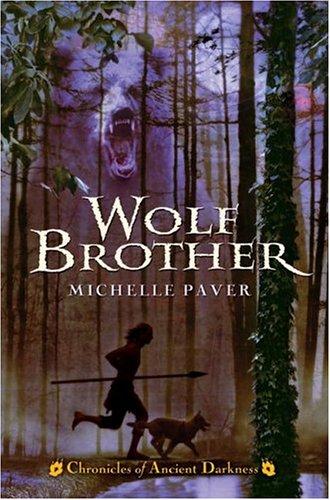
A gripping Stone Age adventure (the Chronicles of Ancient Darkness series) that's hard to put down, exactly the kind of page-turner that builds stamina and the appetite to read on. Strong sensory writing and a vivid prehistoric world.
15. Journey to the River Sea by Eva Ibbotson
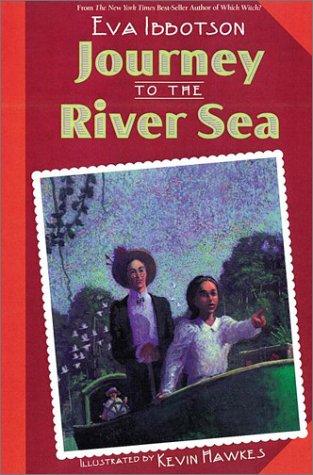
A lush Amazon adventure full of beautiful descriptive language. Ibbotson's vivid settings give children a model for writing about place, and the warm, exciting story keeps them turning pages. Excellent for vocabulary and descriptive technique.
16. My Family and Other Animals by Gerald Durrell
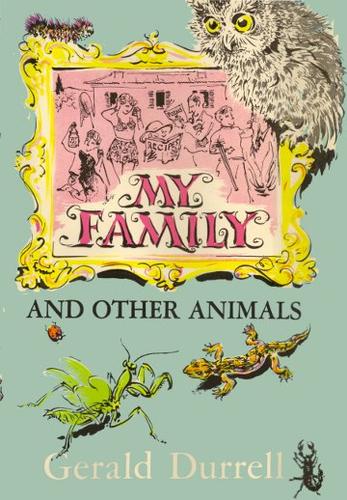
A witty memoir of a boyhood on Corfu, bursting with gorgeous vocabulary and vivid description of animals and landscape. It bridges fiction and non-fiction, showing children that true-life writing can be every bit as funny and rich as a novel.
17. Tales of the Greek Heroes by Roger Lancelyn Green
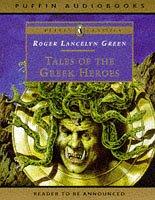
A retelling of the Greek myths that unlocks the references and allusions woven through so much later writing, and that comprehension papers love to draw on. Beyond the cultural knowledge, the stories themselves are thrilling and full of memorable vocabulary.
18. A Series of Unfortunate Events by Lemony Snicket
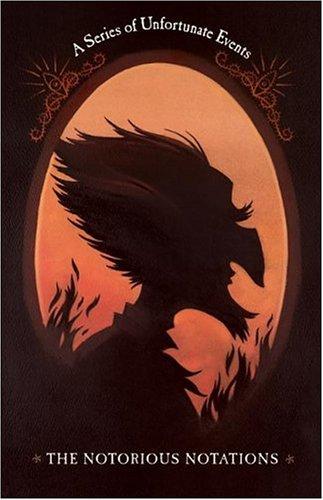
Playful, dark and clever, this series is famous for stopping to define its own ambitious words, children absorb advanced vocabulary almost without noticing. The wry narrator builds an ear for tone and irony, and the cliff-hangers keep reluctant readers reading.
19. The Boy at the Back of the Class by Onjali Q. Raúf
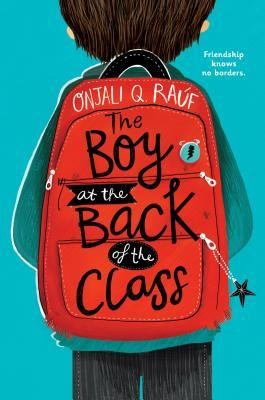
A modern, hugely accessible story about a refugee child told from a classmate's point of view. It builds empathy and tackles topical themes, and its warm, child-friendly voice makes it a brilliant bridge for readers ready to move on to meatier books.
20. DK Knowledge Encyclopedia by DK
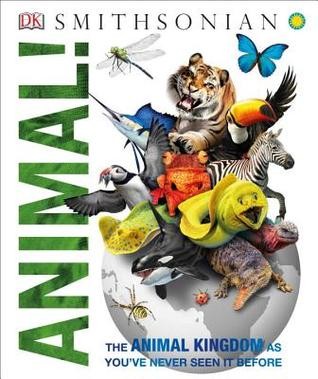
We finish with non-fiction, and it matters: the 11+ doesn't only test stories, comprehension papers often use factual passages. A reference book like this builds the skills fiction can't, skimming and scanning to find information, retrieving precise facts, and absorbing subject vocabulary across science, history and the wider world. Encourage your child to dip in and follow their curiosity. A strong reader needs both.
Which classics can we read for free?
These ten classics are out of copyright in the UK, so you can read them free from Project Gutenberg or borrow them from your library.
Years are first book publication, and every author died more than 70 years ago.
Treasure Island
Robert Louis Stevenson, 1883
A pirate adventure with a map, a mutiny and a map-reading boy narrator.
Words you will meet: buccaneer: a pirate · mutiny: sailors turning against their captain
The Railway Children
E. Nesbit, 1906
Three children move near a railway and help people in trouble.
Words you will meet: embankment: a raised bank of earth that carries a railway · petticoat: an underskirt
Black Beauty
Anna Sewell, 1877
A horse tells his own story, which is a lesson in seeing through another's eyes.
Words you will meet: groom: a person who looks after horses · bearing-rein: a strap that holds a horse's head up
The Wind in the Willows
Kenneth Grahame, 1908
Riverbank friends and a reckless Mr Toad, with lovely descriptive writing.
Words you will meet: gaol: an old spelling of jail · weir: a low dam across a river
Heidi
Johanna Spyri, 1880
A girl in the Swiss mountains, first published in German as two parts in 1880 and 1881.
Words you will meet: alp: a high mountain pasture · goatherd: someone who looks after goats
Anne of Green Gables
L. M. Montgomery, 1908
A talkative orphan with a huge imagination, and a good model for lively writing.
Words you will meet: bosom friend: a very close friend · scrape: a tricky situation
The Jungle Book
Rudyard Kipling, 1894
Mowgli and the animals, plus short stories you can read one sitting at a time.
Words you will meet: ravine: a deep, narrow valley · mongoose: a small animal that kills snakes
Oliver Twist
Charles Dickens, 1838
A Victorian orphan story; choose an abridged edition for this age, because the full novel is very long.
Words you will meet: workhouse: a place where poor people lived and worked for food · pickpocket: a thief who steals from pockets
Little Women
Louisa May Alcott, 1868
Four sisters growing up, with strong characters to talk about.
Words you will meet: garret: an attic room · vexed: annoyed
Five Children and It
E. Nesbit, 1902
A sand-fairy grants wishes that go comically wrong.
Words you will meet: Psammead: the sand-fairy in the story · gravel-pit: a pit where gravel is dug
Older translations of Heidi are free, while recent translations and abridged editions may still be in copyright.
How do we use this reading list?
Start with what your child will enjoy, because a child who enjoys reading simply reads more. Mix fiction and non-fiction, classic and modern, and let them choose.
Read a little every day rather than a lot once in a while. Add a short poem each week too, and use our guide to poetry in the 11+ to talk it through.
Talk about the book, because it is worth more than any workbook. Ask what they think will happen, how a character feels, and how they know.
Pair daily reading with a few minutes on Pip's free English practice, available on Apple, Google Play and Amazon, with optional Pro.
11+ reading list: frequently asked questions
How does reading help with the 11+?+
Wide, regular reading grows vocabulary, increases reading speed, and builds inference, which means reading between the lines and supporting answers with evidence. That is exactly what 11+ comprehension papers test, and it also strengthens creative writing by showing children how authors use technique.
What should an 11+ child read?+
A mix of classics and modern fiction builds vocabulary and inference, and non-fiction such as an encyclopedia helps because comprehension papers often use factual passages. The 20 books above cover that range and the key skill each one builds.
How many books should my child read for the 11+?+
There is no magic number, because consistency matters far more than quantity. A little reading every day beats a big push once in a while, so let your child choose freely within a varied list.
What age are these books for?+
They span years three to six (ages 7 to 11). Some, like The Lion, the Witch and the Wardrobe or Stig of the Dump, suit younger or less confident readers, while Roll of Thunder, Hear My Cry and The Hobbit are best for confident readers in years five and six.
Do the books need to be read in order?+
No, the numbering is just for reference. Follow your child's interests, and alternate fiction and non-fiction.
Which classic books are free to read?+
Classics whose authors died more than 70 years ago are out of copyright in the UK, including Treasure Island, The Railway Children, Black Beauty and The Wind in the Willows. You can read them free from Project Gutenberg or borrow them from a library.
Should my child read classics or modern books for the 11+?+
Both help, because classics bring richer, older vocabulary and modern books keep reading fun and fast-moving. Aim for a mix, and let your child's enjoyment decide the balance.
What if my child finds long books hard?+
Start with short books or one chapter a day, and read aloud together so the story keeps moving. Our guide on building reading stamina for the 11+ gives a step-by-step plan.
Practise 11+ English free on Pip (Apple, Google Play and Amazon) →
The Pip team builds Pip, the 11+ and KS2 practice app for children in years three to six. We write these guides from real exam formats and past papers.